

Hedge trimming in Crawley Down
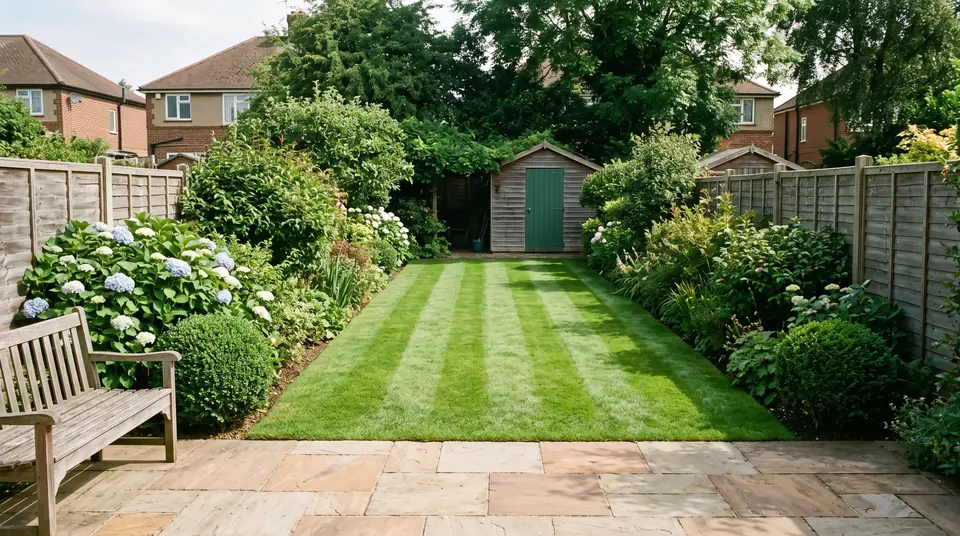
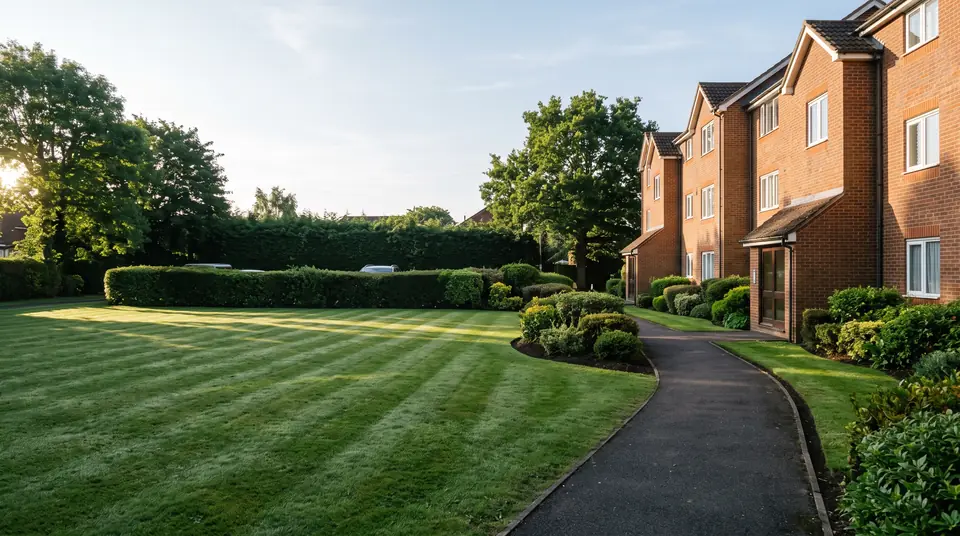
Boundary hedges kept tidy and in proportion, with the big cuts planned outside nesting season.
Hedge trimming in Crawley Down is a big part of what gardens here need. The village grew up in a patchwork of fields, shaws and woodland, and plenty of gardens still back onto one. Most of the houses went up between the 1930s and the 1970s and got planted boundaries of their own, and some of those hedges have had sixty years or more to get big.
We’ll cut yours to a clean line, take every trimming away, and tell you honestly what the hedge needs next year. The main cuts go in between September and February. Before a trimmer goes anywhere near a hedge in spring or summer, we check it for nests.
What we do
- Regular hedge cutting on a schedule that suits the species
- One-off cuts to bring overgrown hedges back under control
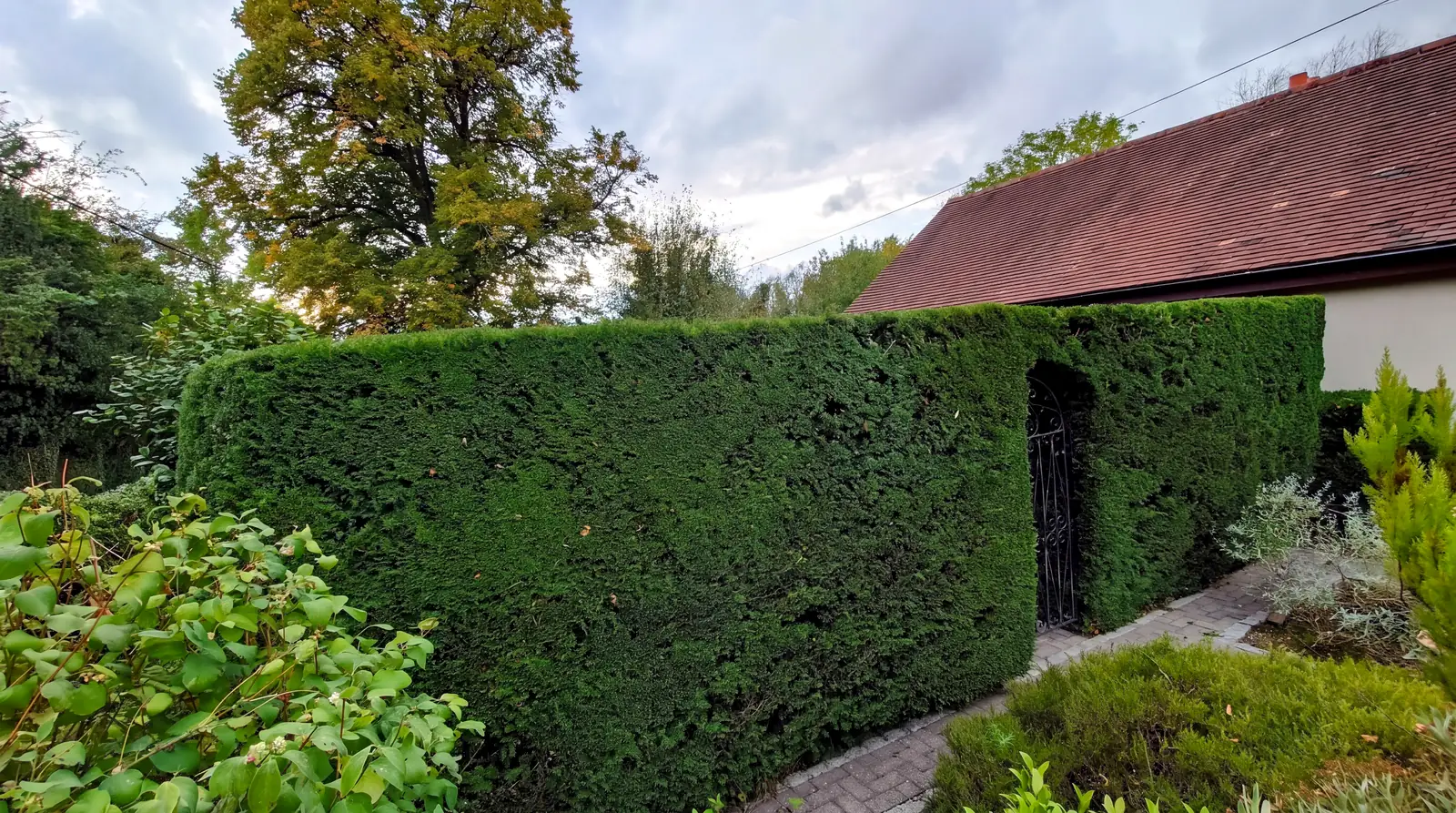
- All types: privet, laurel, leylandii, box, beech, hornbeam, yew and more
- Height and width reductions, staged where needed
- Laurel cut by hand so the leaves don’t brown
- Nesting birds checked before any work, all cuttings cleared away
Hedge trimming in Crawley Down and the nesting season
You can legally cut at any time of year, but you mustn’t damage an active nest. With so much woodland and farmland round the edge of the village, garden hedges here get plenty of birds moving in each spring. So our big cuts and reductions go into autumn and winter. A light summer tidy is possible once we’ve had a careful look. If there’s a nest, we leave that section alone and come back once it’s empty.
Cutting back overgrown hedges on older plots
Cutting back overgrown hedges is where judgement counts. Laurel, privet, beech and hawthorn all reshoot from old wood, so a big reduction is fine if it’s staged over a couple of winters. Leylandii won’t. Cut a conifer back past its green growth and that face stays bare for good. On an older plot where a boundary conifer has run away with itself, we’ll show you how far we can safely go, and say so plainly if it’s past saving. Laurel on show gets cut with secateurs, so the big leaves don’t brown at the edges.
Hedge Trimming in Crawley Down: your questions
Anything else, just ring. You’ll speak to the people who do the work.
How often does a hedge need trimming?
Privet and other fast growers look best with two or three cuts a year. Beech and hornbeam want one, in late summer. A mixed native hedge on a field boundary can get by with a single winter cut. We’ll suggest a rhythm that suits what you’ve got.
Can you cut a hedge that runs along a field or footpath?
Yes. We’ll trim your side and the top, keep growth off the path, and clear up properly so walkers, cyclists and riders aren’t stepping over cuttings. If the hedge belongs to someone else, we’ll talk through what happens to the trimmings first.
What do local hedge trimming services charge?
It depends on the length, height and type of hedge, and how overgrown it’s become. Bringing down a tall conifer boundary is a much longer job than tidying a privet front hedge. We’ll look first and give you a fixed price that includes taking the waste away.
More garden help in Crawley Down.
-
 Garden Clearance
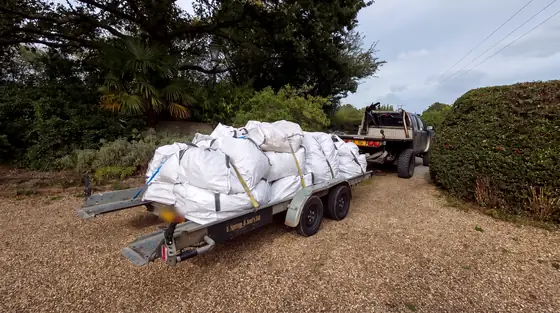
Overgrown gardens cleared and taken away in one go
-
 Waste Removal
Garden waste collected and taken away, no trips to the tip
-
 Seasonal Services
The right jobs at the right time of year
-
 Gritting
Paths, drives and entrances gritted and cleared by hand, before anyone slips
Hedge Trimming nearby
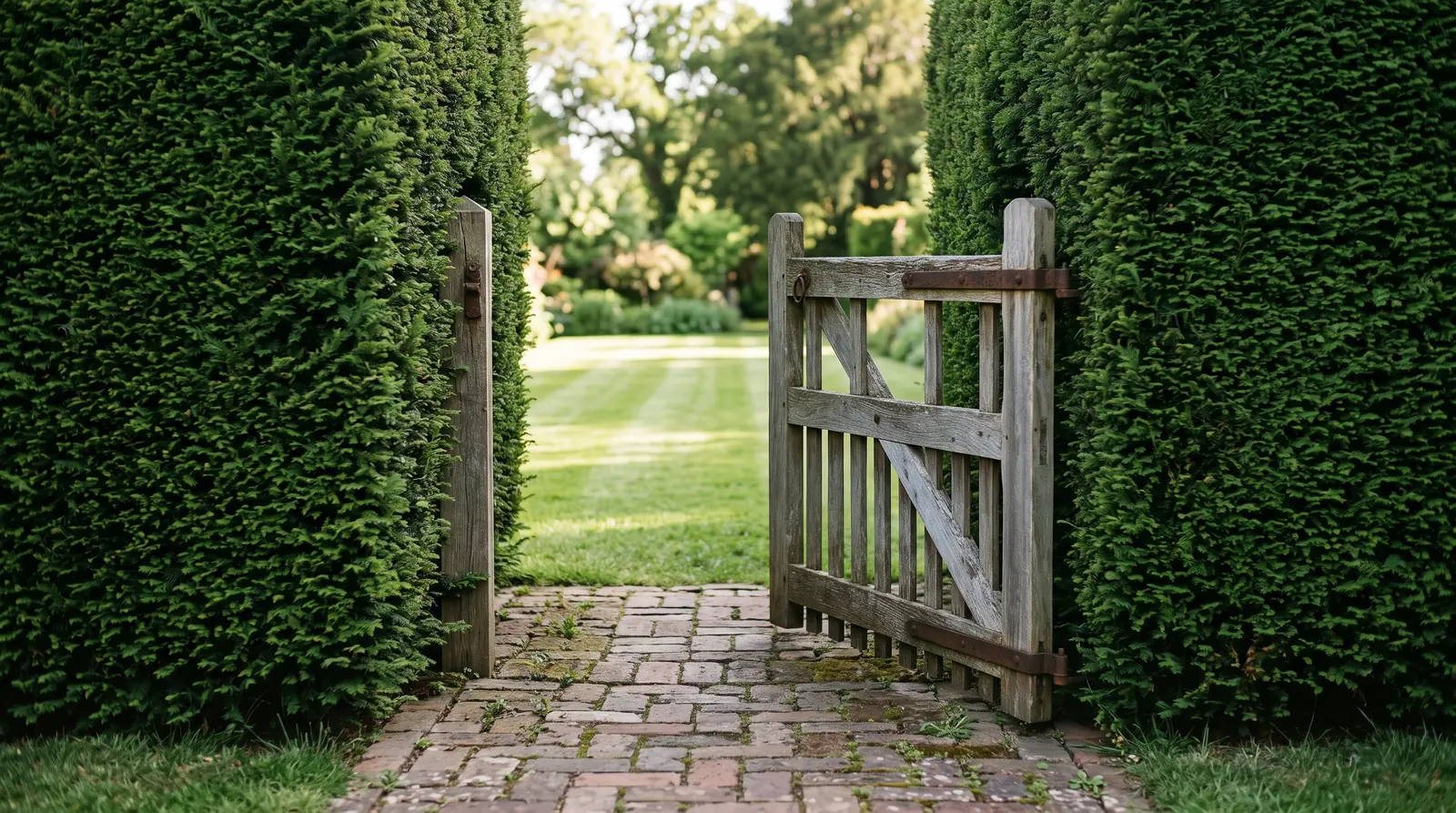
Hedge Trimming in Crawley Down? Let’s talk.
Tell us what you need and roughly where. We’ll come and look, and give you a straight price.